Why Personal Photos at Work Matter (& What to Do When You Don't Have a Desk)
There's a colleague at every workplace whose desk is loaded with photos. Family. Pets. A vacation shot or three (or 15, LOL). Little mementos. To some people it looks cluttered. To some it looks unprofessional.
The research suggests it's a competitive advantage.
What the studies actually show
Across environmental psychology, human factors, well-being research, organizational behavior, and pet therapy, multiple studies have found correlations between personal photos and mementos at workspaces and a meaningful set of outcomes... reduced stress, better emotional well-being, higher productivity, and improved retention. The pet-specific version even has a name in the literature: the pet effect.
There are real trade-offs. Photos can carry weight. An anniversary, a loss, a fractured relationship... sometimes the reminder pulls you in the wrong direction. Personal items can also become conversation starters that build connection with colleagues, or they can become distractions. The tool is real; how you use it matters.
But over the last several years, most knowledge workers have quietly lost access to the tool altogether.
Hybrid work removed the desk
We hotel. We hybrid. We log in from a kitchen table that has none of our life on it. The home-base version of a working brain - surrounded by reminders of why the work was worth doing in the first place - disappeared, and nobody handed us the replacement.
Which means we walk into the most consequential conversations of our day with no environmental cue at all about who we're trying to be in that room. No photo or anchor. Just residue of whatever the last forty-five minutes did to us.
What you already carry
A social worker once came to me for help with stress. She was running on empty. I asked her what was bringing her joy and she gave me a few things. I saw something different when she told me about her dog, though... so I zeroed in on it. "What does he do when you walk in the door after a long day?" Here face lit up and she spurted out a light giggle as she looked past me. He greeted her with a full-body wag every time.
I gave her one assignment. Record it and send it to me tonight. (That was just to make sure she did it)
I replied, "Awesome. Now, before your next hard meeting or call, watch it for a few seconds."
She came back months later and told me how much it had changed for her... not just at work, but in difficult conversations with people she loved.
A 6 sec video and a completely different week.
Why this works
State management isn't a wellness ritual. It's a precondition for being effective at influence, leadership, listening, or care.
The state you walk in with becomes the state of the room. The state of the room becomes what's possible in that conversation. You can't always choose your circumstances, but you can choose what you put in your senses in the 60 seconds before the next consequential moment.
A photo on a desk used to do this for us by accident. Now we have to do it on purpose.
The action
Pick one video on your phone today. One that reliably gets a smile out of you, every time, within seconds. Your dog. Your kid. A friend doing the thing only that friend does. A view from somewhere that means something to you.
Make it easy to find. (Text it to yourself and pin it to the top)
Before the meeting that matters this week - and you already know which one - watch it for a few seconds.
Because the person about to receive you deserves the version of you that chose to walk in.
When you change your state, you change who shows up.
For a longer menu of state-management tools, see 101 Ways to Manage Your State.
STOP reacting! Be Deliberate Instead...
If you’re busy and you want to have incredible success in your career and at home, then take a page out of your Influence Playbook. No more winging it. No more just going through the motions. And no more trying to control things (or people) you can't control.
Instead, control the controllables with The Influence Playbook:
What's Your Listening Score?
How well do you listen?... like actually listen? This one word will change every interaction you have from now on. See where you stand...
Get Your Conversation Score
How well do you navigate conversations? Struggle with small talk? Fumble the greeting? Find out...
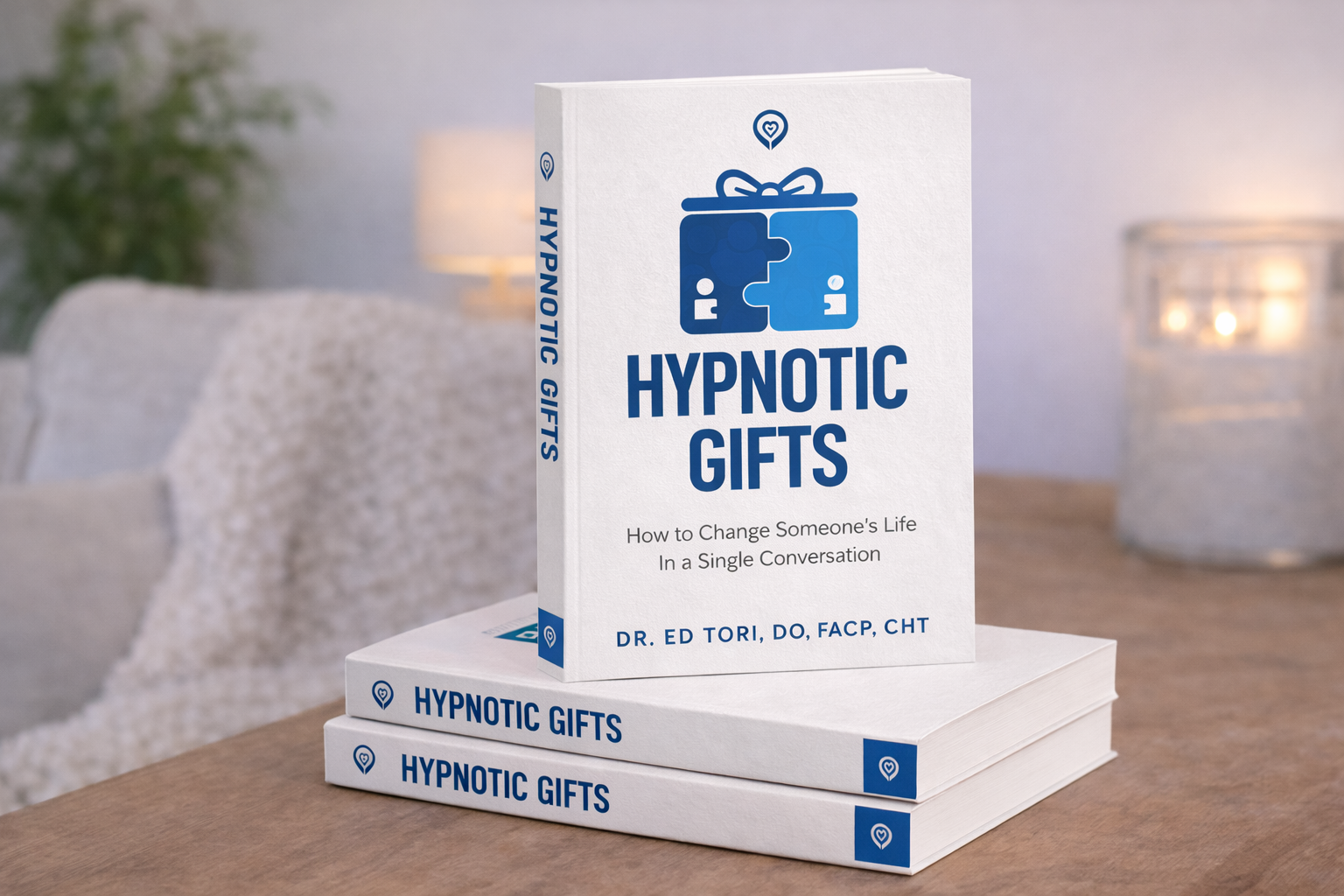
What Are Hypnotic Gifts?
You can transform someone's life in a single conversation. In his new book, Dr. Tori gives you the map.
