The Slippery Slope That Actually Is One: How "Just This Once" Sabotages Behavior Change

Most behavior change advice gives you a system. A morning routine. A 30-day challenge. An app. A tracker. A coach.
I'm going to tell you something smaller... and far more useful.
Almost every behavior change failure I've had in my life started in exactly the same place.
Not with a giving-up moment.
With a deal.
"I'll skip just this one walk."
"I'll start the diet after the trip."
"I had a long day. I deserve this."
The deal sounds reasonable. It sounds generous. It sounds like something a balanced, non-rigid person would say to themselves.
It is none of those things.
It is a concession. And the moment you make one, your resistance to the next one drops.
There's a phrase from logic called the slippery slope fallacy - the idea that one small thing will inevitably lead to a much bigger thing, used to dismiss any argument someone doesn't like. Skeptics throw it around constantly.
With behaviors, the slope is not a fallacy. It is documented in the literature. Small concessions snowball. In both directions, actually - small wins also snowball. But the negative slope is fast and quiet, and most people don't notice they're sliding until they've already slid.
The four voices
There are four shapes the deal usually takes. Watch for them.
1. The Justification. "I deserve this." The story is built around fairness - a long day, a tough week, a social obligation, a generous impulse toward yourself. It sounds like self-care. It is taking from you, not giving to you.
2. The Small Deal. "I'll just do a few reps." You're not skipping the behavior outright - you're paying it down at pennies on the dollar. Half the meditation, half the run, half the practice. Technically you "did it." Functionally, you didn't.
3. The Limiting Belief. "This won't make a difference." Ten pushups won't matter. Walking 15 minutes is nothing. This is the most dangerous voice in the early days of any change, because the behaviors are supposed to be small at the start. Dismissing them for being small is dismissing the whole snowball.
4. The Fatigue. "I'm too tired to decide." Decision fatigue, motivation fatigue, willpower fatigue - they stack. By the end of a long day, the part of you that resists the deal is gassed. The part that wants it is wide awake. There's a reason most slip-ups happen after 8pm.
What works
Three moves. None of them is more discipline.
Name the voice. Half the work is recognizing the deal as a deal. The voice depends on going unnoticed. Once you hear "I deserve this" and know what it actually is, the spell breaks a little.
Design the moment. If you want the behavior, make it easy. Running shoes by the bed. Water bottle on the desk. Phone in another room when you're writing. If you don't want the behavior, make it hard. No ice cream in the freezer at 10pm means you're not driving to a store at 10pm. Design is what morning-you does so fatigue-you doesn't have to fight. (This is Rule 6 of the Seven Simple Rules of Influence - Make it easy. It works on others. It works on yourself.)
Track it. Not how you feel about your progress... actually track it. Your perception is state-dependent. If you feel good, you'll think you've been doing fine. If you feel low, you'll think you're failing. Neither is the data. The data is the data. Mark the box. See the actual pattern. The data isn't moody.
The line to take with you
The slip starts with a deal.
You don't have to outwork it. You don't have to be more disciplined than everyone you know.
You just have to catch the deal - before the slope does its work.
This week, when you hear the voice (and you will hear it), pause and ask one question: what's the smallest design change that would make the deal unnecessary tomorrow?
That's the whole game.
STOP reacting! Be Deliberate Instead...
If you’re busy and you want to have incredible success in your career and at home, then take a page out of your Influence Playbook. No more winging it. No more just going through the motions. And no more trying to control things (or people) you can't control.
Instead, control the controllables with The Influence Playbook:
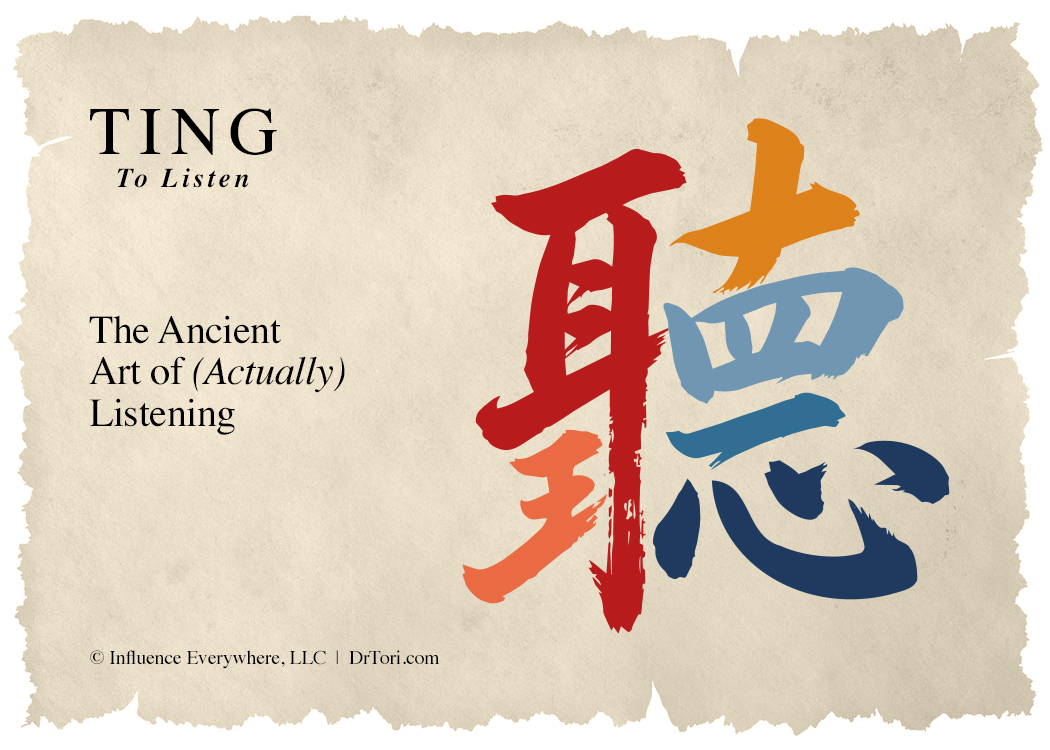
What's Your Listening Score?
How well do you listen?... like actually listen? This one word will change every interaction you have from now on. See where you stand...
Get Your Conversation Score
How well do you navigate conversations? Struggle with small talk? Fumble the greeting? Find out...
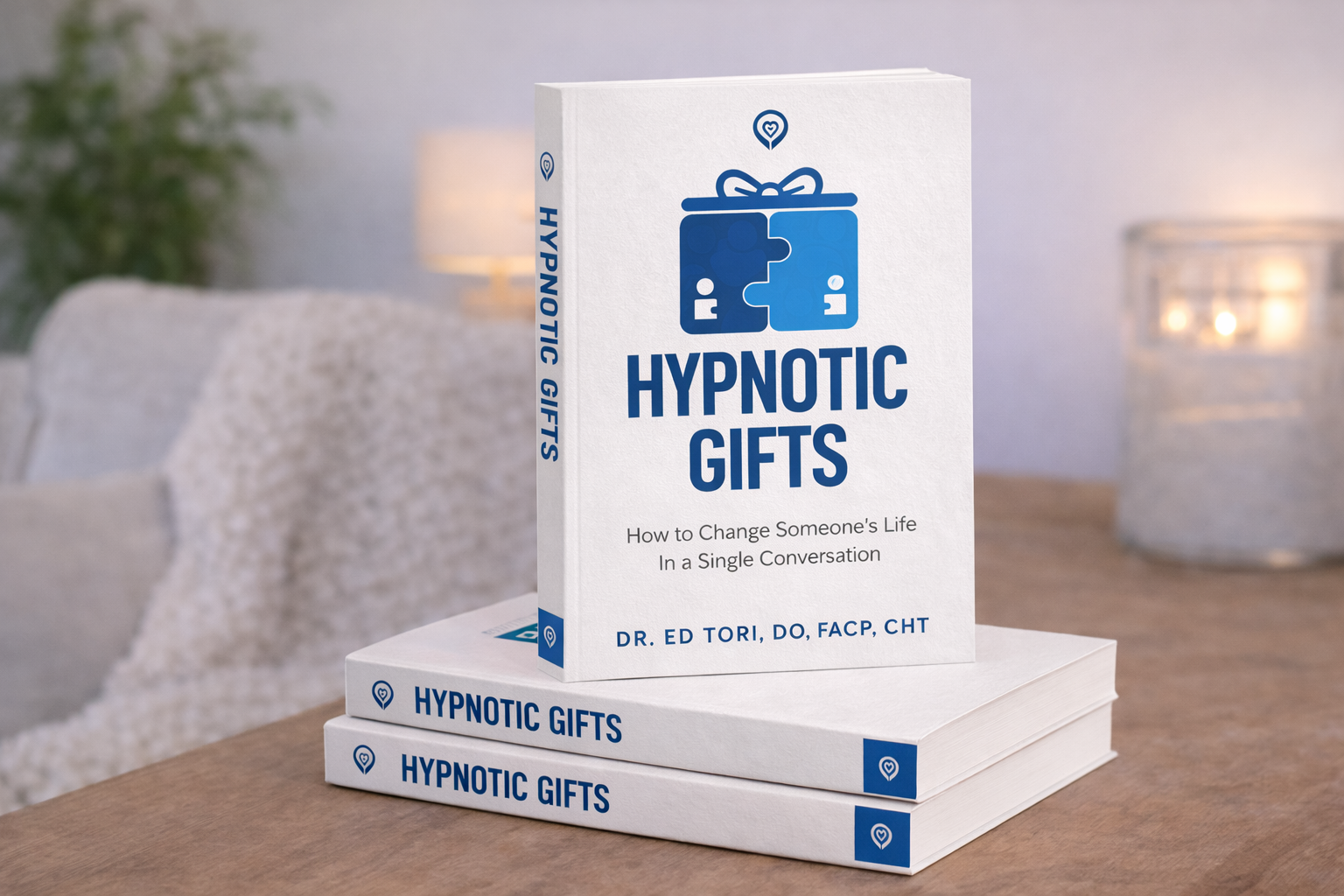
What Are Hypnotic Gifts?
You can transform someone's life in a single conversation. In his new book, Dr. Tori gives you the map.
