Plan Is a Verb and Why Planning Beats Plans

In 1987, Mike Tyson said, "Everyone has a plan until they get punched in the mouth."
A century earlier, a Prussian field marshal named Helmuth von Moltke said it more elegantly: "No battle plan survives first contact with the enemy."
Both quotes seem to contradict an old chestnut we've heard a hundred times: failing to plan is planning to fail.
They don't.
The Verb Hidden in the Old Line
That old line never said "failing to have plans."
It said "failing to plan."
Plan. The verb. The act of preparing.
A plan is static. It sits on a shelf. It lives in a quarterly report card with red, yellow, and green status circles. You can hand it to someone else and they can read it.
Planning is dynamic. It lives in your physiology... your breathing, your shoulders, and actually who walks through that door.
The First Responder Frame
A firefighter walks into a scene they have never seen before. The smoke is different. The layout is different. The people screaming are different.
Nothing about this scene matches the rehearsal.
And yet, they move. They make calls. They get the kid out.
What prepared them isn't a plan for this fire. They've never seen this fire.
The planning prepared them. The dozens of scenarios run, the drills with emotional modifiers stacked on top, the patterns burned into reflex. (pun intended)
That's the difference. Planning led to pattern-recognition and deliberately trained-in reflexes.
Why This Matters for Hard Conversations
Most of us, before a high-stakes conversation, will:
- Write down a few main points
- Pick the right time of day
- Pick the right room
- Maybe rehearse the opening line
Then we walk in. Then they react.
And the script collapses... because nobody scripted for their anger. Nobody scripted for their aloofness. And nobody scripted for the version of us that wants to scream or snap or walk out when they shrug.
That's the gap.
Some (especially in hypnotherapy, NLP, behavior change) might call the work that closes that gap priming. Preparing your neurology, your mindset, your emotional register, before the moment that needs them.
[Many of the people I worked with in healthcare innovation came out of emergency preparedness - they often said, "Design for the extreme, use in the routine." Because it's so much easier to handle extremus when you've planned, prepared, and hard-wired it as a normal response.]
A Five-Minute Drill Before Any Difficult Conversation
Try this the next time you're about to walk into something that matters:
- Picture the conversation going well. Notice what you feel.
- Picture them freaking out. Notice what wants to happen in you. Give it a name.
- Picture them going cold and apathetic. The I-don't-care response. Notice what wants to come up. Give it a name.
- Pick the version of yourself that you want to walk into that room. Optimize/manage for that state. Breathe into that posture. Soften the jaw. Drop the shoulders.
- Run the conversation again... with that you walking in, and them doing whatever they're going to do.
You will not control them.
You can prime yourself, however.
What the Planning Is Actually Building
This is Rule 1 of the 7 Simple Rules of Influence: manage your state. It's the prerequisite for every other rule (most of the time), and it's what the planning is actually building.
If you know the conversation is going to change (and it will), the change doesn't disrupt you.
So before the next high-stakes meeting, the next negotiation, the next conversation you've been dreading...
Don't just check the plan.
Plan.
STOP reacting! Be Deliberate Instead...
If you’re busy and you want to have incredible success in your career and at home, then take a page out of your Influence Playbook. No more winging it. No more just going through the motions. And no more trying to control things (or people) you can't control.
Instead, control the controllables with The Influence Playbook:
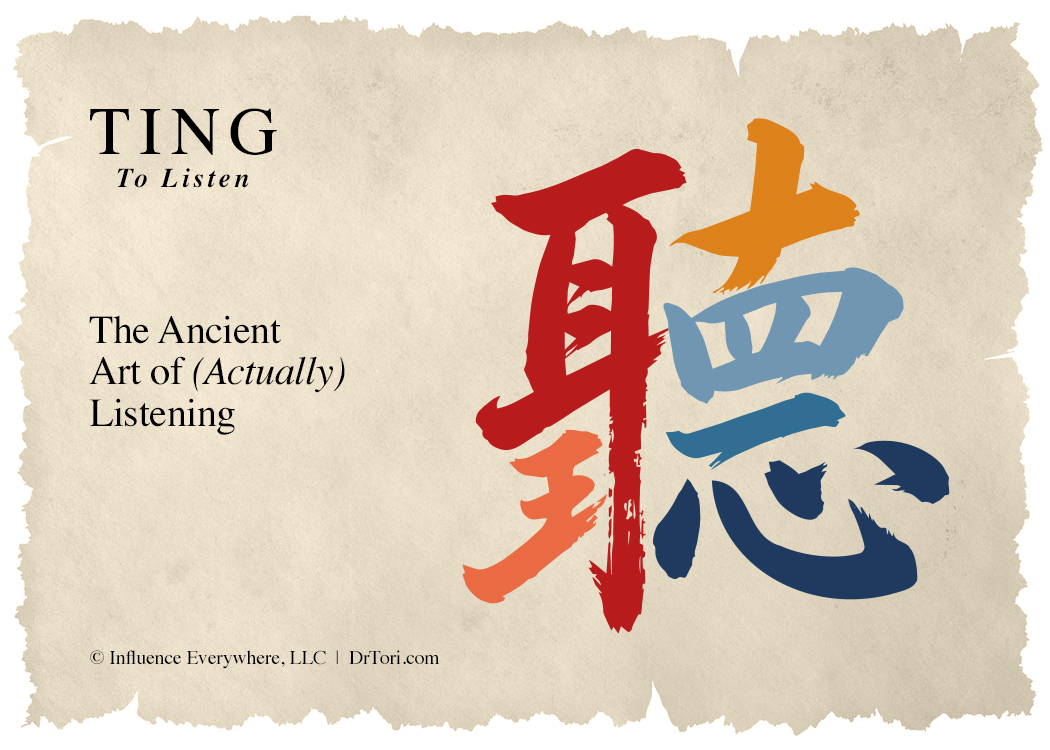
What's Your Listening Score?
How well do you listen?... like actually listen? This one word will change every interaction you have from now on. See where you stand...
Get Your Conversation Score
How well do you navigate conversations? Struggle with small talk? Fumble the greeting? Find out...
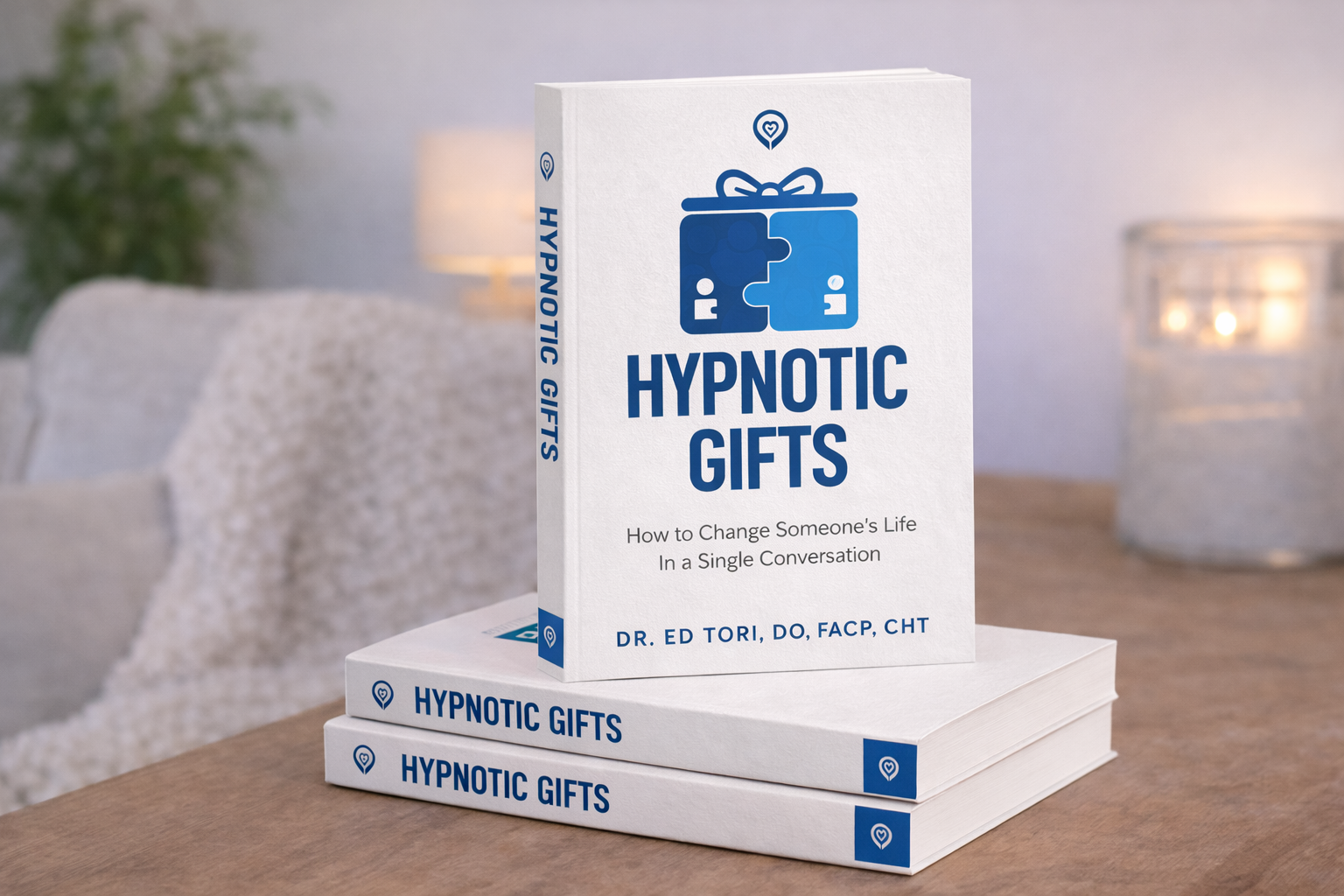
What Are Hypnotic Gifts?
You can transform someone's life in a single conversation. In his new book, Dr. Tori gives you the map.
