Bump It Forward: How to Use the Reminiscence Bump to Deepen the Relationships That Matter Most

You have a 20-year window inside your own memory that runs hotter and sharper than the rest of your life. So does everyone you love.
Psychologists call it the reminiscence bump. Researchers since the 1980s have studied autobiographies and life-narrative interviews and consistently found that the most vivid, emotionally significant memories people describe cluster between roughly ages 10 and 30. Identity formation. Brain at peak. Cultural milestones concentrated in that window. Whatever the underlying mechanism, the pattern is robust... and it's not just an academic curiosity. It's an actual working tool.
Advertisers have used it for decades. Disney pulls Star Wars and the Mandalorian forward into a new generation because the parents bring their kids to whatever lights up the parents' own bump. A phone commercial uses "Bust a Move" not because Gen Z knows the song but because the parent paying the bill does. The companies aren't selling a story... they're selling you back to yourself.
Therapists use it too. In hypnotherapy and conversational hypnosis, you look for resource states — moments when someone was resilient, capable, loved... and many of those resource states live inside the bump. You bring the person back into that state and you work from there.
Dementia care depends on it. When the recent days start slipping, the songs and faces from the bump are often the last to fade. Sometimes it's not even the memory itself... just the feeling that lived along with it.
The question is how to use the bump in your own life, in the rooms that matter most to you. The answer is a simple three-step move.
Step 1: Look forward
Find your moments. Birthdays, holidays, dinners, calls, visits, hospital chairs, drives to the airport. The moments already exist on the calendar. You don't need to engineer new ones to start.
Step 2: Look back
Reach into their bump, not yours, unless you share one. Pick one thing: a song lyric, a snack, a movie line, a haircut, a phrase, a smell, a place, an object. Something that lives in their formative window. The smaller and more specific the better.
Step 3: Bump it forward
Bring it into the moment you've already planned. Print the old photo and pass it across the dinner table without explaining. Pack a snack from their childhood for the next visit. Drop a lyric into the conversation with no setup at all. Recreate an old family picture at the holiday table the way people do on social media. Hand over a gift that came from their history rather than from a catalog.
The mechanic is straightforward. The reference triggers retrieval of a state from their bump... usually warmer, lighter, more connected than wherever they're starting from. The state changes the conversation. The conversation changes the relationship.
A few practical notes.
Use it sparingly. Three references in one conversation feels like a bit. One placed cleanly is a kindness.
Listen for what their bump actually contains. Real listening (across the six channels of TING) is what makes you accurate enough to pick the right object. Cliché era markers ("oh, the 80s, right?") will land as condescending. Specific era markers ("did you ever have a Trapper Keeper?") will land as recognition.
Don't force it where it doesn't fit. Some moments call for presence, not pattern. The bump is a tool, not a script.
You can also create new firsts on purpose. The bump is full of firsts because that's when life served them up. You can keep generating them... first time at a new place, first time saying something out loud, first time inviting a person into something that matters. The window doesn't have to close.
The relationships that matter most won't be deepened by anything clever you say next year. They'll be deepened by the small ways you choose to honor what was already there.
Look forward. Look back. Bump it forward.
STOP reacting! Be Deliberate Instead...
If you’re busy and you want to have incredible success in your career and at home, then take a page out of your Influence Playbook. No more winging it. No more just going through the motions. And no more trying to control things (or people) you can't control.
Instead, control the controllables with The Influence Playbook:
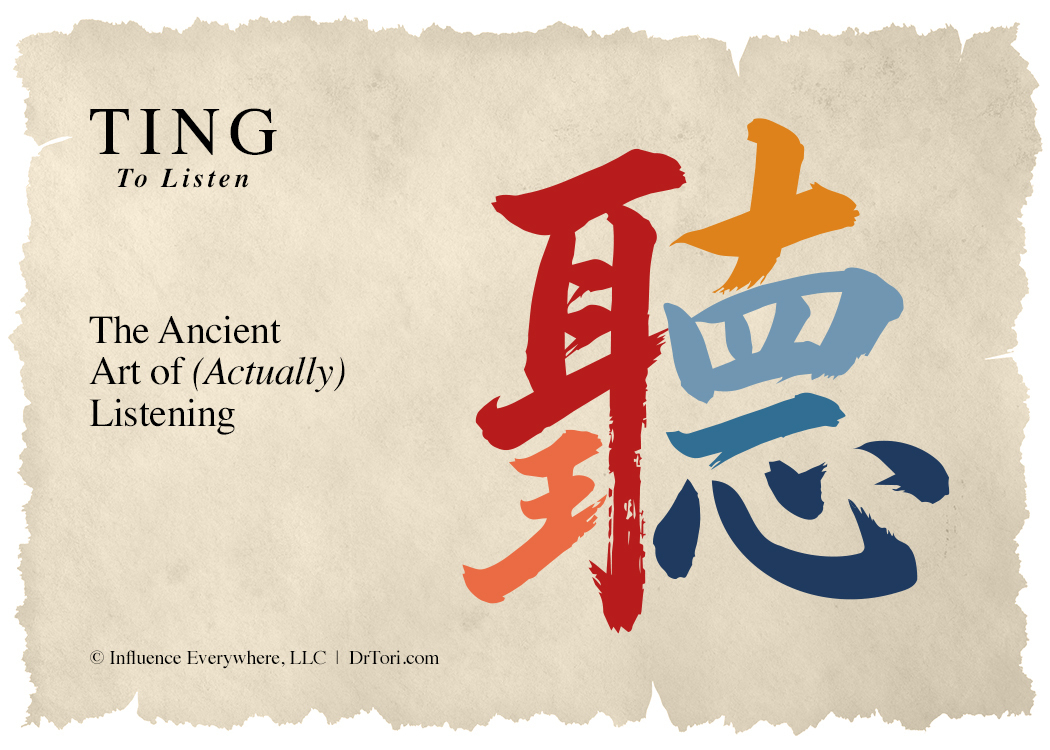
What's Your Listening Score?
How well do you listen?... like actually listen? This one word will change every interaction you have from now on. See where you stand...
Get Your Conversation Score
How well do you navigate conversations? Struggle with small talk? Fumble the greeting? Find out...
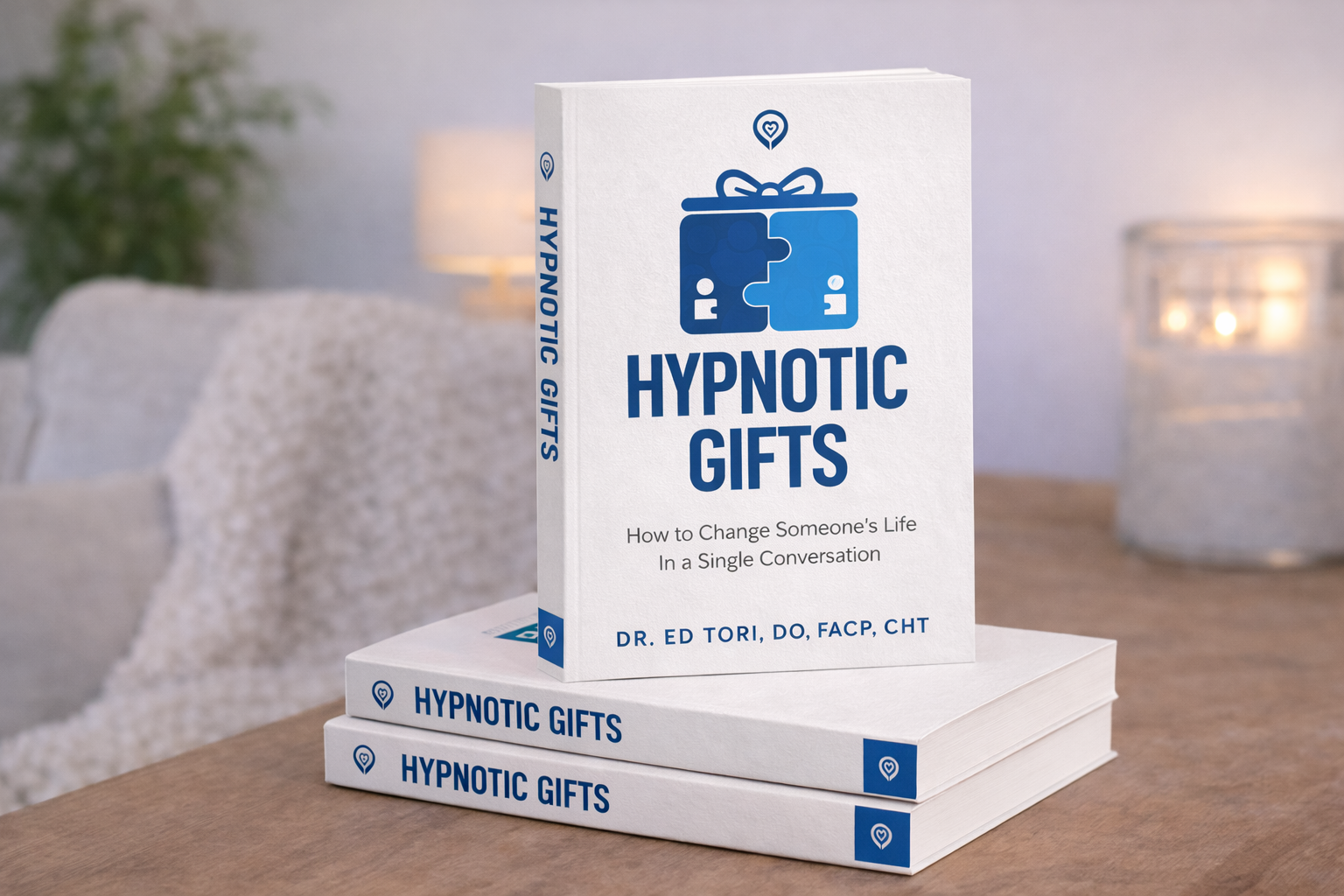
What Are Hypnotic Gifts?
You can transform someone's life in a single conversation. In his new book, Dr. Tori gives you the map.
