This French Criminologist from the Early 1900s Just Might Change All of Your Conversations
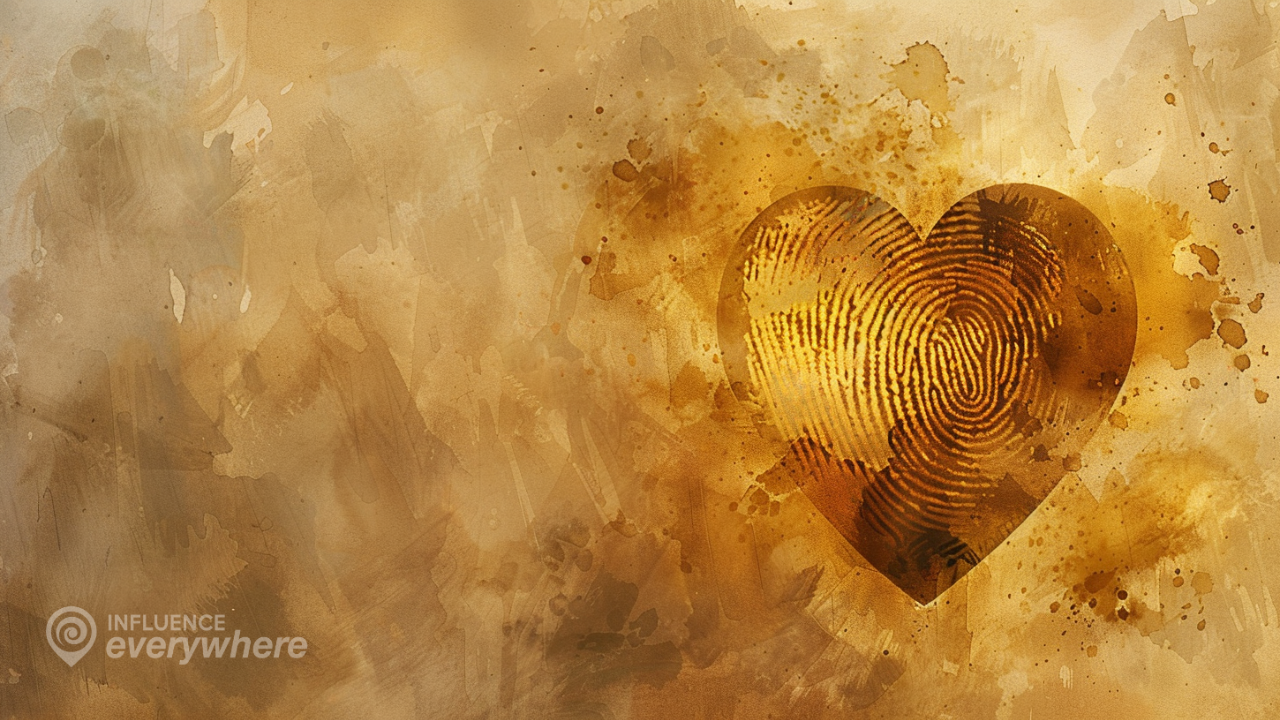
In 1910, a French criminologist named Edmond Locard founded one of the world's first crime labs in Lyon. They eventually started calling him the Sherlock Holmes of Lyon. He left forensic science with a principle so foundational that no investigator works without it today.
The principle is simple: every contact leaves a trace.
When two people make contact, or a person makes contact with an environment, materials transfer between them. Hair. Fibers. Fingerprints. Skin cells. Even heat. The criminal doesn't know what he's leaving behind. The detective counts on it. Without this physics of unintended evidence, the entire field of forensics collapses.
Now let's leave the crime lab and walk into your life.
The traces you don't know you're leaving
Every email you send leaves a trace on the person who reads it.
Every meeting you walk into leaves a trace on the room.
Every conversation with your spouse, your kid, your colleague — leaves a trace on them. And on you.
Most of these traces are operating below conscious awareness. Yours, and theirs. The person who got your terse reply this morning didn't form a clear opinion about you — but something in their body registered it. They moved on to the next thing. But it stayed.
Then the traces accumulate. They become a body of evidence about who you are. Not the kind of evidence a court would use — the kind the people in your life use, almost entirely without realizing they're using it, to decide whether to trust you, lean toward you, give you the benefit of the doubt.
When traces become debris
Here's where the metaphor sharpens.
When the contact involves conflict — anger, resentment, dishonesty, unmet expectations — it doesn't just leave a trace. It leaves debris. Broken things. Disturbed evidence.
And here's the part most people miss: how you clean up the debris matters as much as what you broke.
A real crime scene investigator arrives slowly. Wears gloves. Refuses to disturb what's there. Documents before disrupting. Pays attention to what the scene is telling them before they touch a single thing.
What's your version of that?
When you've left debris in a relationship, what do your apologies actually look like? What changes in your behavior the day after, the week after, the month after — and what doesn't? Are you cleaning up the debris, or are you adding more to the pile?
The traces that build the good evidence
The same physics works in the opposite direction.
The act of kindness your kid wasn't supposed to see — that left a trace.
The way you handled the disappointed client — that left a trace.
The quiet decision to listen instead of fix — that left a trace.
Those accumulate, too. Quietly. Invisibly. The body of evidence cuts both ways. People form impressions of who you are from a thousand small contacts you don't remember making.
The question Locard's principle forces
Your next interaction is going to leave evidence behind whether you intended it to or not. Whether you were present for it or not. Whether you "had time for it" or not.
What kind of evidence do you want it to be?
Your relationships are too important. Your work is too important. The service you provide is too important.
Stop winging it.
---
How well do you navigate conversations? Struggle with small talk? Fumble the greeting? Find out... Take the quiz to get your Conversation Score
STOP reacting! Be Deliberate Instead...
If you’re busy and you want to have incredible success in your career and at home, then take a page out of your Influence Playbook. No more winging it. No more just going through the motions. And no more trying to control things (or people) you can't control.
Instead, control the controllables with The Influence Playbook:
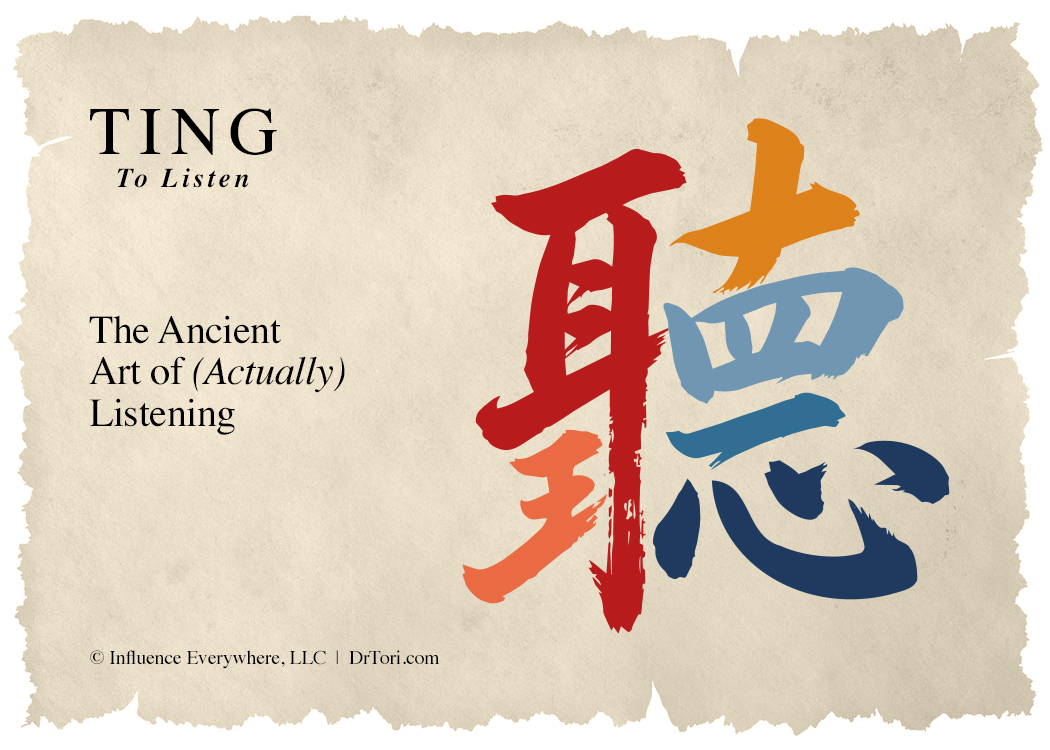
What's Your Listening Score?
How well do you listen?... like actually listen? This one word will change every interaction you have from now on. See where you stand...
Get Your Conversation Score
How well do you navigate conversations? Struggle with small talk? Fumble the greeting? Find out...
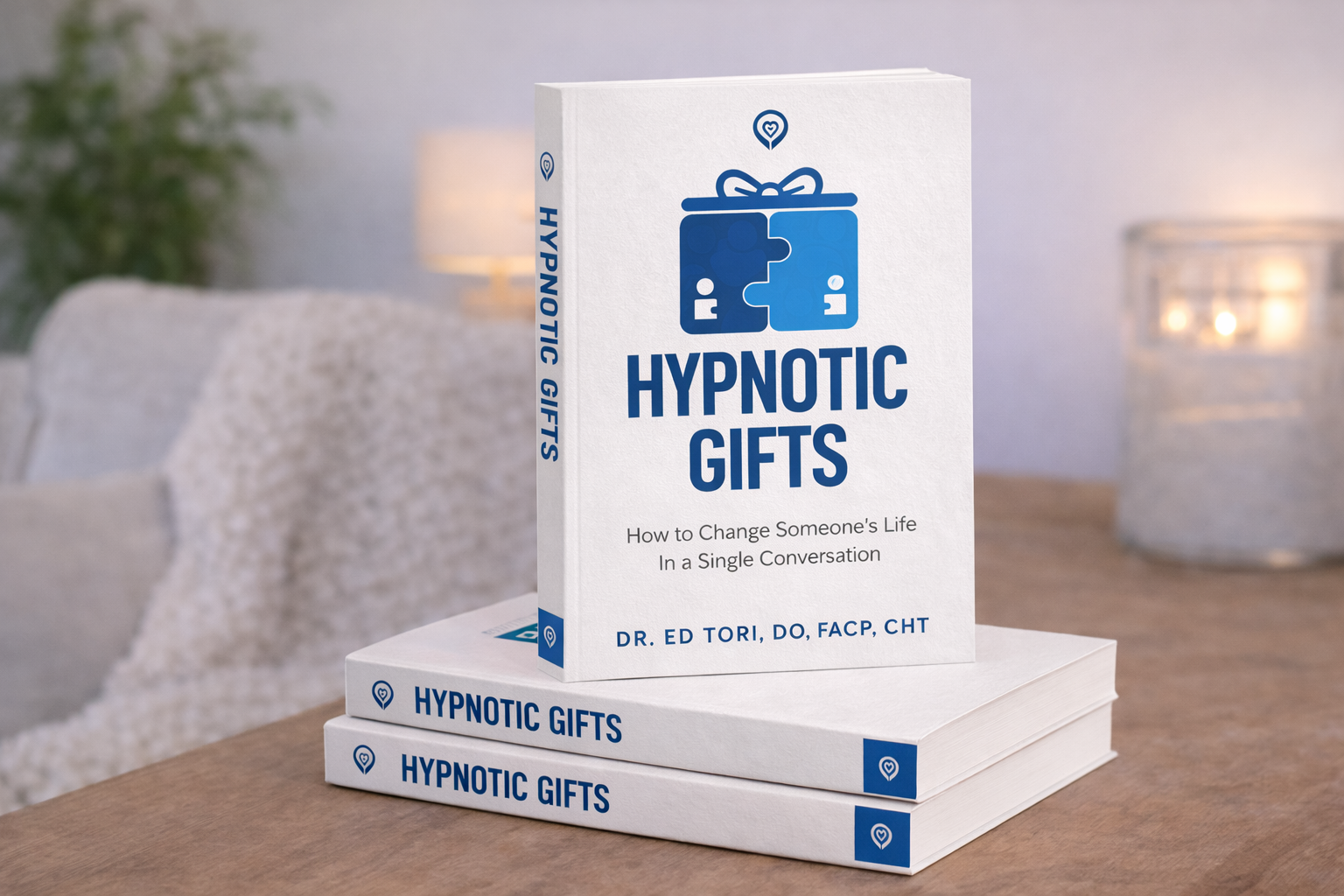
What Are Hypnotic Gifts?
You can transform someone's life in a single conversation. In his new book, Dr. Tori gives you the map.
